


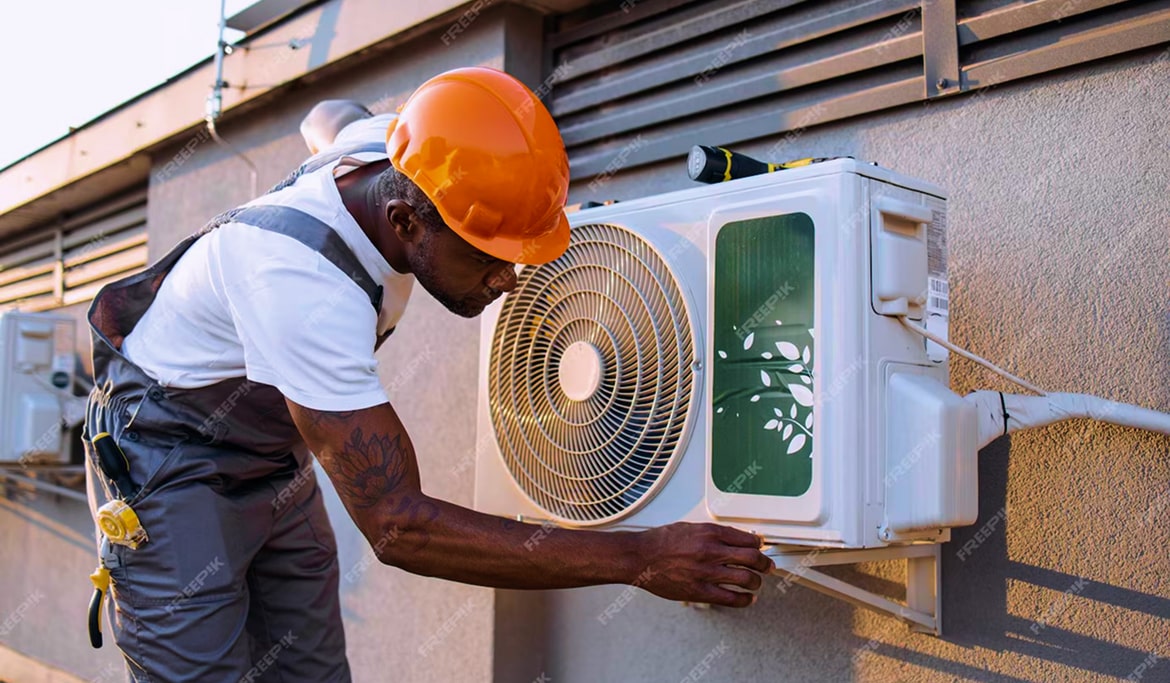


Air conditioning systems in the Phoenix Valley face one of the most challenging environments in the country. With temperatures soaring above 115 degrees F and dust storms regularly rolling through the Valley, your AC filter becomes your home’s first line of defense against poor indoor air quality and system breakdowns.
Air filters serve two crucial purposes: keeping your HVAC free from dirt, debris, hair, etc., and maintaining or improving your home’s air quality. Your air conditioner works very hard to maintain a safe and healthy environment between the wild Arizona heat and the dry, dusty air.
Understanding Air Filter Basics in Arizona’s Desert Climate
Air Filter Types: MERV Ratings for Arizona Homes
The Minimum Efficiency Reporting Value (MERV) rating system helps you understand how effectively different filters capture airborne particles. This standardized scale runs from 1 to 20, with higher numbers indicating better filtration.
MERV 1-4 filters have the lowest filtration capabilities and capture large particles like dust mites and carpet fibers. These cost-effective filters provide basic protection for your AC unit with minimal impact on indoor air quality.
MERV 5-8 filters are popular choices among Arizona homeowners. Given the high level of particulates in Arizona’s air, these filters effectively capture pollen, dust, dirt, and mold spores. However, they aren’t too dense and won’t cause your air conditioner to overwork.
MERV 9-12 filters offer greater protection from pet dander and certain bacteria. Still, since these filters are denser than the 5-8s, they tend to clog faster due to the high levels of dust and dirt, requiring more frequent changes to avoid straining the air conditioner.
MERV 13-16 filters are typically reserved for specialized air conditioning designed for hospitals and other organizations requiring the high-level filtration offered by these specialized filters. These filters are not recommended for residential air conditioning and could damage your unit. Choose a 9-12 filter or talk to an air conditioning professional before using one of these filters. The density required for filtration at this level creates significant resistance, which can damage a residential unit.
Sonoran Desert Climate Challenges for Air Filtration
Arizona’s unique ecosystem delivers real challenges that impact air filter performance and maintenance routines. Extreme heat, low humidity, and weather events like dust storms create havoc on air conditioners. Arizona, surprisingly to many, has a high pollen count, adding to the seasonal strain on your filters.
During monsoon season, a dust storm can fill the air with so much particulate matter that your filter will fill in two days instead of over several weeks. Desert dust is different from dust in other parts of the country and is much finer, clogging filters more quickly.
Arizona’s heat is a factor in air filter degradation. Extreme heat can warp materials, giving them an even shorter life span. For example, lower-quality filters may warp in the heat. This risk of heat damage is even more significant in enclosed spaces, such as equipment or maintenance areas.
Choosing the Right Filter Type for Your Arizona Home
Several filter types work well in Arizona’s challenging conditions, each with distinct advantages for desert living.
Pleated filters offer excellent performance for most Arizona homes. Their increased surface captures more particles while maintaining good air flow. Look for pleated filters with MERV 11 ratings for optimal balance between filtration and system efficiency.
Fiberglass filters provide basic protection at a low cost but offer minimal dust control. In Arizona’s dusty environment, these filters are inadequate for maintaining clean indoor air.
Washable filters appeal to environmentally conscious homeowners but require constant maintenance. In dusty conditions, they may not dry completely between cleanings, potentially causing moisture problems.
High-efficiency filters are suitable for homes with family members with allergies or respiratory conditions, but they require careful system evaluation to ensure proper airflow.
Ideal Desert Air Filter Replacement Schedule
This isn’t the time to follow manufacturers’ instructions; they were not designed for Arizona’s climate. Changing your filters every 30-90 days isn’t frequent enough for desert dwellers; during the summer months, when your air conditioner is running at its peak, check your air filters every thirty days and right after big dust storms. Tip: Hold the filter close to a bright light — and if you can’t see the light, it’s time to change it.
Many households choose a higher-quality and MERV-rated air filter during the summer months to help their air conditioner run more efficiently under strenuous conditions. This is a long-term strategy to preserve the life of your costly air conditioner.
Proper Installation and Maintenance Tips
Correct installation ensures optimal performance and prevents bypass air from carrying particles around your filter. Double-check the airflow direction arrows printed on your filter frame and install it correctly.
It’s essential that the filter fits snugly into its frame, or gaps can allow dirty air to contaminate or damage delicate internal components. Keep spare filters on hand; it’s the easiest way to ensure your filters are changed as needed.
When Your Filter Needs to be Changed Immediately
Several warning signs indicate your filter requires immediate replacement, regardless of your regular schedule. It suggests a filter issue if you notice less air coming from your vents, strange smells, or dust buildup around return air grilles.
Also, if your electric bill jumps out of nowhere, a clogged filter could make your AC work harder. Another sign to change the filter is when allergies and runny noses appear.
AC Filter Maintenance: Desert Climate Tips
Arizona air often has dust, especially during monsoon season, and high levels of pollen from deserts and agriculture, making air filter maintenance vital for the health of your air conditioner unit and your home’s air quality.
The greater volume of particulate in Arizona’s air means that your air conditioner is working harder at its two main jobs: keeping dirt and debris from fouling internal mechanisms and cleaning indoor air.
Same Day Air Repair: Professional AC Service in Phoenix
Air conditioning matters more in Arizona; it can be life or death. Are you sure you’re using the correct filter and installing it correctly? Does your family need a higher MERV-rated filter, but you’re not sure your system is up to the task? Preserve the longevity of your air conditioner, reduce your energy bill, and alleviate your family’s allergy symptoms by calling us to discuss your options.


